The Future of Iran: Between Regional Isolation and the Hope for Secular Reform
12-03-2026 19:45:25 | Հայաստան | Հարցազրույցներ
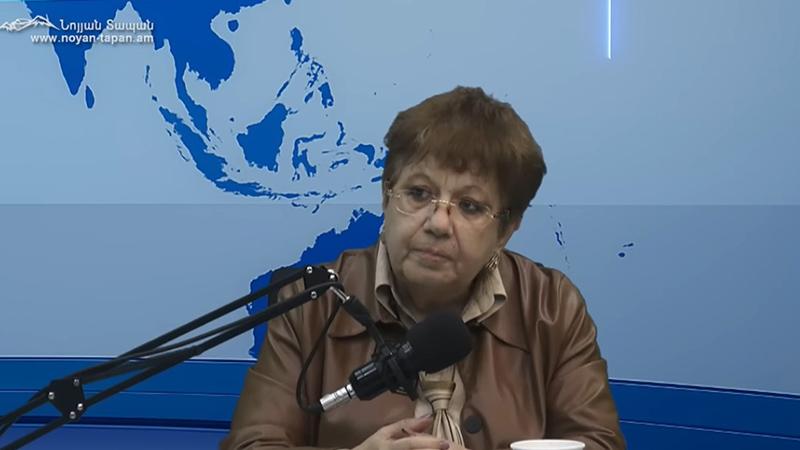
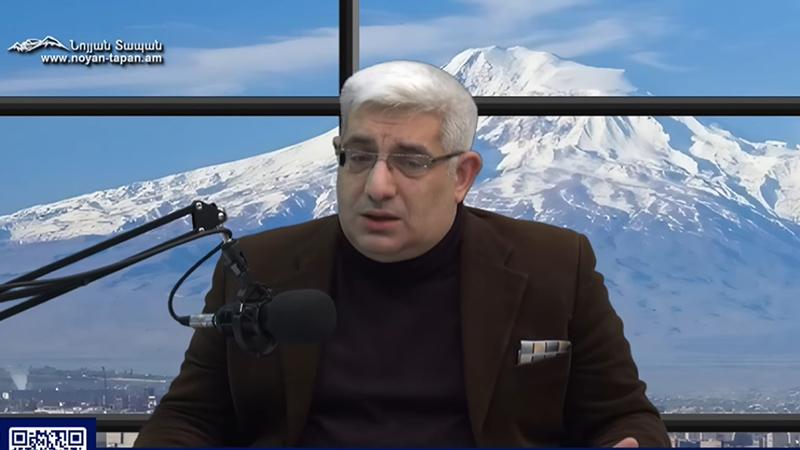
As the Middle East stands at a historic crossroads following the outbreak of renewed hostilities in Iran on March 1st, the regional security architecture is undergoing a profound transformation. In an extensive interview hosted by Noyan Tapan, Anahit Adamyan, a publicist and member of the Political Council of the "Republic" (Hanrapetutyun) Party, outlined the high stakes for Armenia and the potential scenarios for its southern neighbor.
The conflict has been punctuated by the reported death of Iran's Supreme Leader (Rahbar), an event Adamyan views as a catalyst for a systemic crisis. While reports suggest the appointment of Ali Khamenei’s son, Mojtaba, as the new leader, Adamyan argues this marks a regression to hereditary rule—a irony for a system that originated from the overthrow of a monarchy.
"After the Shah was deposed, the history of hereditary transfer of power has begun again in Iran," Adamyan remarked during the interview. She noted that the lack of official confirmation regarding the succession is likely a "defensive measure," as Israel has signaled that any successor continuing the current policy becomes a legitimate target.
For Armenia, the resolution of the Iranian crisis is not merely a matter of border security but a question of long-term economic and political viability. Adamyan emphasized that it is in Armenia's fundamental interest to have a "developing Iran, free from sanctions, with a secular government cooperating with the United States".
Such a transition would not only benefit Armenia but would serve the interests of the entire region by neutralizing Iranian proxies—such as Hamas, the Houthis, and Hezbollah—that have long destabilized the Middle East. "This war is not single-layered; it has very deep causes and multi-layered complexities," Adamyan observed, echoing assessments that the current instability could last several weeks.
Three Scenarios for the Future
Adamyan outlined three possible trajectories for Iran:
1.Hardline Consolidation: Reactionary forces maintain control by consolidating power under the banner of hatred toward the U.S. and Israel.
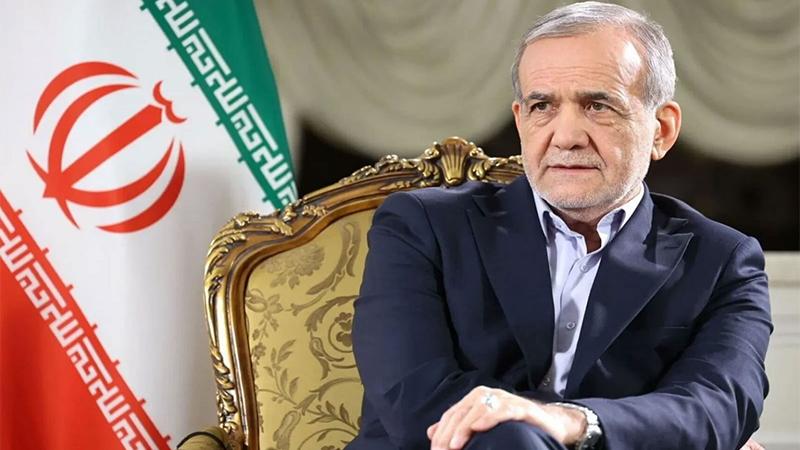
2.Secular Transition: Current President Masoud Pezeshkian could potentially rally progressive forces, such as former President Hassan Rouhani and former Foreign Minister Javad Zarif, to transition Iran toward a secular state. This path might even involve the return of the Shah’s son, Reza Pahlavi, for a transitional period.
3.Civil War: A "worst-case scenario" where the country descends into internal conflict, a prospect Adamyan warned all parties must strive to avoid.
The Myth of the "Saviors"
A critical point of the discussion centered on the roles of Russia and China. Adamyan was pointed in her critique of those in Armenia who still look toward Moscow or Beijing for security guarantees. She characterized Russia as a failed "savior," citing the fates of Bashar al-Assad in Syria and regimes in Venezuela and Cuba.
"Where is Assad today?" Adamyan asked rhetorically. She noted that during the current escalation, neither Russia nor China has offered open, public support to Iran. "They can, at best, provoke; and when the clash happens, they leave to mind their own business. This has happened periodically, especially in the South Caucasus," she warned.
Turning to Armenia’s internal politics, Adamyan addressed the upcoming elections and the role of the "Republic" party. She advocated for a move toward a presidential system of government and urged voters to choose "sovereignty and development" over "populist, demagogic, and unrealistic promises".
Addressing recent international reports that placed Armenia on a list of countries where journalists are arrested, Adamyan offered a nuanced defense of the state's actions. She distinguished between legitimate journalism and foreign propaganda.
"Democracy does not mean absolute license," Adamyan stated firmly. "Democracy does not mean the propaganda of a foreign state inside your country, against your country's interests, and against your country's citizens". She concluded that those acting as foreign agents under the guise of journalism should not be considered "political prisoners".
As the smoke clears over the Iranian plateau, the message from Noyan Tapan was clear: Armenia must navigate this storm with a clear-eyed focus on its own sovereignty, recognizing that its security lies in modernizing its alliances rather than clinging to the "failed saviors" of the past.


 ՀԱՅԵՐԵՆ

 Русский
 English
 Դաս. հայերեն
 French