Mirages in the Hormuz: The High Cost of a ‘Paper’ War
31-03-2026 17:30:38 | Հայաստան | Հարցազրույցներ
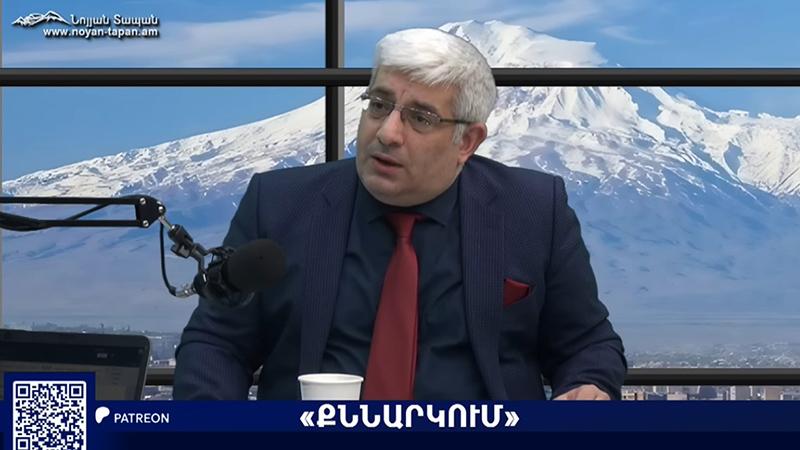
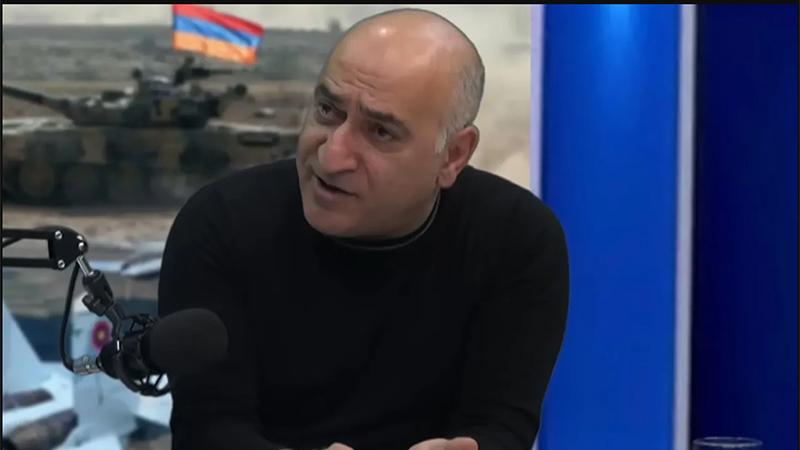
As geopolitical tensions simmer in the Middle East, the latest episode of the Noyan Tapan television program featured a deep dive into the escalating friction between the United States, Israel, and Iran. The guest, Karen Sargsyan, President of the Euro-Atlantic Integration Platform and a social analyst, offered a scathing critique of current Western strategies, suggesting that a ground operation against Iran would be a catastrophic miscalculation.
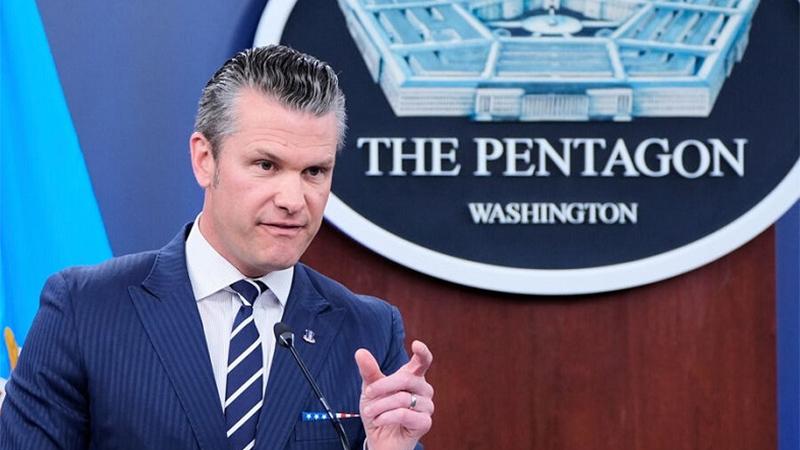
Sargsyan dismissed recent reports of the U.S. preparing to deploy an additional 10,000 troops to the region as largely performative or politically motivated. He argued that any ground assault launched from the Persian Gulf would be "senseless" because Iran’s primary decision-making and strategic centers are located in the central and northern parts of the country.
"We are coming back to the same point," Sargsyan noted, suggesting that U.S. statements often serve to influence stock markets rather than signal genuine military intent. He further highlighted the logistical nightmare facing any invading force, stating that U.S. troops would be entirely dependent on supply lines for food and water in a region where such resources are scarce. "They might have three days of supplies during a landing operation, but not after," he warned.
The "Azovstal" of the Gulf
A central point of the discussion revolved around a strategic island—potentially Kharg—that serves as a critical node for Iran’s oil processing and defense. Sargsyan compared the island’s fortifications to the Azovstal steelworks in Ukraine but emphasized that this Persian stronghold is larger, more mountainous, and better prepared.
"That island... has become a defensive region," Sargsyan explained, noting that it is honeycombed with deep tunnels carved into basalt and granite. He predicted that any NATO-standard unit entering such a zone would be effectively destroyed after losing 30% of its personnel. He contrasted this with Iran’s military posture, noting that the country has been preparing for a solo defense for decades, supported by a paramilitary "Basij" force numbering approximately 5 million.
Regional Diplomacy and Humanitarian Ties
Amid the talk of war, Sargsyan pointed to the complex web of regional relations. He noted that Iran’s Foreign Minister recently expressed gratitude to neighboring countries, including Armenia, Azerbaijan, and Turkey, for their humanitarian assistance in evacuating citizens. This humanitarian cooperation stands in stark contrast to the reported actions of several Arab nations, such as Bahrain, Qatar, and Kuwait, which Sargsyan claimed have provided territory for potential strikes against Iran.
Sargsyan also referenced the strategic insights of former Ukrainian Commander Valerii Zaluzhnyi, whose writings on the nature of modern conflict he has translated for his audience. He used this context to argue that the era of simple landing operations is over. Small, numerous cruise missiles and pickup-mounted launchers make massive targets like supertankers and cargo ships "ready dying targets" in the narrow waters of the Gulf.
The analyst concluded that the current escalation is driven more by domestic political pressures and lobbying than by a realistic assessment of the battlefield. For Sargsyan, the message to those advocating for conflict was clear: the reality on the ground—and beneath it—bears little resemblance to the optimistic maps of the planners in Washington.


 ՀԱՅԵՐԵՆ

 Русский
 English
 Դաս. հայերեն
 French