Between Regional Puppetry and the Electoral Circus: Armenia’s Geopolitical Reality Check
27-04-2026 18:07:17 | Հայաստան | Հարցազրույցներ
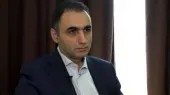
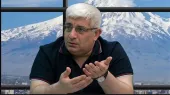
On a day historically weighed down by grief, a starkly pragmatic conversation unfolded on the Noyan Tapan broadcast. On April 24, as Armenians commemorated the 111th anniversary of the 1915 Genocide, host Gayane Arakelyan sat down with Karen Sargsyan, President of the Euro-Atlantic Integration Platform, sociologist, and political analyst. Rather than dwelling solely on the past, Sargsyan delivered a piercing critique of Armenia’s current political landscape, regional security threats, and the upcoming parliamentary elections.
The conversation spanned from the recent demolition of a major Armenian church in Nagorno-Karabakh by Azerbaijan to the complexities of European integration, painting a picture of a nation caught between historical trauma and the urgent need for political maturity.
Redefining Patriotism and Historical Memory
The broadcast addressed recent polarizing events, notably the burning of the Turkish flag during the annual torchlight procession in Yerevan—an act Prime Minister Nikol Pashinyan labeled as clearly "provocative". Sargsyan was far more blunt, dismissing the flag-burning as "sheer stupidity".
Sargsyan argued that true political pragmatism requires moving beyond symbolic gestures. He stressed that a competent political force should be focusing on tangible demands from Turkey, such as official genocide recognition and the restitution of stolen wealth and property, backed by archival documents. Furthermore, he urged Armenians to remember the full scope of their history, pointing out the hypocrisy of targeting only Turkey while ignoring the historical and modern betrayals by Russia, including decrees from the Russian Empire meant to empty Armenian lands of their native population.
"We remember partially," Sargsyan noted, emphasizing that unanalyzed history only leads to repeated catastrophes.
The Geopolitical Web: Israel, Turkey, and the Russian "Horde"
A significant portion of the interview demystified the forces driving Azerbaijani aggression. Sargsyan asserted that Azerbaijani President Ilham Aliyev operates as a "puppet," heavily manipulated by the intersecting interests of Israel, Russia, and Turkey.
According to the analyst, the current Zionist leadership in Israel actively benefits from regional instability and strictly opposes Armenia's existence as a European and Christian bastion in the region. Sargsyan pointed out the economic underpinnings of this relationship, noting that the Baku-Ceyhan pipeline primarily serves to fulfill Israel's oil consumption.
Meanwhile, Sargsyan characterized Turkey's internal situation as dire, driven by President Recep Tayyip Erdogan's economic mismanagement, which has resulted in massive real inflation and a weakened, restructured military.
Sargsyan reserved his harshest geopolitical critique for Russia. He aggressively dismantled the myth of Russia as a "Christian savior" for Armenia, defining the Russian state system simply as a "horde" that has never been guided by moral principles. Bringing the critique to the present day, he held Russian peacekeeping forces directly responsible for organizing the blockade and subsequent ethnic cleansing of Artsakh through starvation.
The Electoral Circus and Armenia's European Shift
Looking ahead to the upcoming parliamentary elections, which feature 19 registered political forces, Sargsyan expressed profound disillusionment with the domestic political spectrum. He criticized the majority of these newly formed parties as marginal entities with "national-socialist" undertones, arguing that their existence is merely a symptom of the "feebleness and poverty" of Armenian political thought.
"They are solving cosmic issues," Sargsyan remarked sarcastically, noting the complete absence of practical socioeconomic or educational platforms among these groups.
When assessing the actual electoral math, Sargsyan predicted a starkly narrow race. He stated that the chances of any party entering the National Assembly—outside of Pashinyan's Civil Contract and the three main pro-Russian blocs affiliated with Robert Kocharyan, Gagik Tsarukyan, and Samvel Karapetyan—are "very close to zero".
Despite his criticisms of the current government, calling Pashinyan a "fake pro-European," Sargsyan conceded that the Prime Minister currently stands as the only viable pro-European option on the ballot. He highlighted that under the current administration, Armenia is actively integrating into the European security zone, with France playing the lead role—evidenced by the presence of European observers and deepening defense ties.
Conversely, Sargsyan anticipates a swift and potentially painful withdrawal of the United States from the region, driven by the rise of isolationist politicians in Washington and the fallout from American involvement in Israel's conflicts.
As the Noyan Tapan broadcast concluded, the overarching message was clear: Armenia's survival and progress depend not on performative grief, but on recognizing harsh geopolitical realities and cultivating genuine, educated political thought.


 ՀԱՅԵՐԵՆ

 Русский
 English
 Արեւմտահայերեն
 French