Armenia at a Geopolitical Crossroads: Lessons from Georgia and the Path to 2026
04-03-2026 18:48:36 | Armenia | Interviews
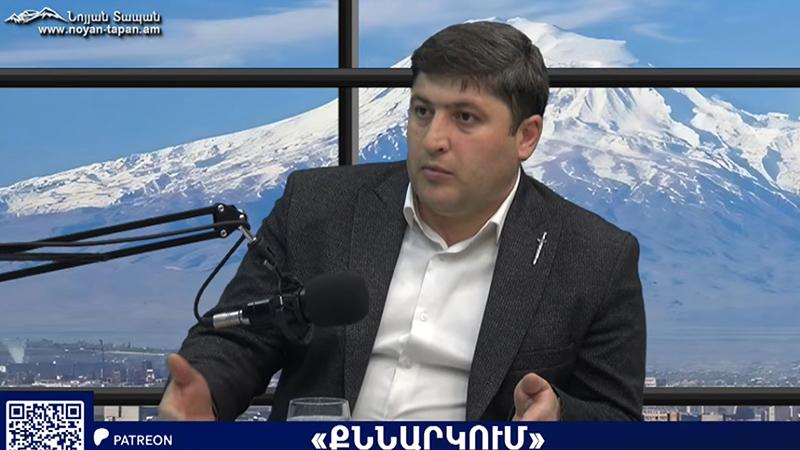
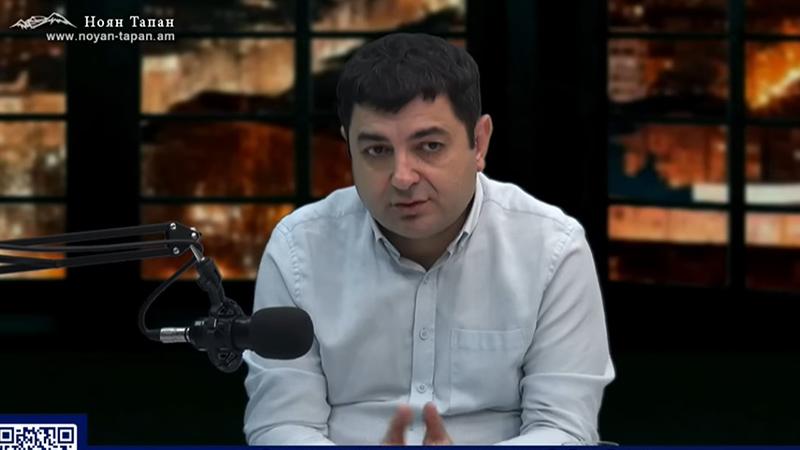
As Armenia approaches its pivotal June parliamentary elections, the shadow of "hybrid warfare" and regional realignment looms large. In a recent interview with Noyan Tapan, Georgy Tumasyan, an expert in international relations and public administration, detailed the significant risks facing the Armenian state and the strategic shifts redefining the South Caucasus.
The "Georgia Scenario" and Hybrid Threats
The European Union is currently preparing to deploy rapid response teams to Armenia to counter Russian hybrid interference. Tumasyan views this as a critical safeguard, drawing direct parallels to the 2012 election in Georgia that brought Bidzina Ivanishvili to power.
According to Tumasyan, the "Ivanishvili scenario" involves a wealthy, Russian-linked figure entering politics under the guise of philanthropy and democratic reform, only to dismantle institutions once in power. He explicitly identifies Samvel Karapetyan as the Armenian iteration of this strategy.
"You choose Ivanishvili or Samvel Karapetyan, and you don't really know what you're choosing... in the case of Ivanishvili, we saw that we actually chose a person closer to a North Korean leader than to a normal prime minister," Tumasyan warned.
He noted that the Kremlin's strategy utilizes three pillars to consolidate opposition:
1.Financial Populism: Promising immediate wealth via oligarchic resources.
2.Ethnic Nationalism: Leveraging historical tragedies and the Karabakh conflict, specifically through figures like Robert Kocharyan.
3.Religious Influence: Utilizing the church as a political tool to frame the current government as anti-religious.
A Shift in Regional Logistics: Project "Trip"
A central theme of the discussion was the radical shift in regional transit. Tumasyan argues that Georgia has lost its monopoly as a transit hub due to its perceived "anti-European" shift under Russian influence. In contrast, he highlights a "geopolitical breakthrough" that occurred on August 8, 2025.
The centerpiece of this new era is Project "Trip," a transit initiative supported by the United States that integrates Armenia into the "Middle Corridor". Unlike the "Zangezur Corridor" demanded by Azerbaijan—which would have been under Russian FSB control—Project "Trip" ensures Armenian jurisdiction with U.S. support.
+4
"For the first time in centuries, we have a vision for the next 100 years," Tumasyan stated, emphasizing that the project provides the stability necessary for Armenia to plan its long-term state development.
Peace and Sovereignty
Despite opposition claims that Prime Minister Pashinyan is merely fulfilling Azerbaijani demands, Tumasyan points to the August 8, 2025, declaration where Armenia and Azerbaijan recognized each other's territorial integrity based on the Alma-Ata Declaration. He cited the recent peaceful crossing of Azerbaijani civil society members into Armenia as a concrete example of a functioning border.
However, challenges remain. The Armenian Foreign Intelligence Service’s 2026 report continues to highlight the "Western Azerbaijan" concept as a threat. Tumasyan argues that the government is responding not with concessions, but by strengthening the armed forces and securing strategic partnerships with the West.
The Iranian Factor
The interview concluded with an analysis of the escalating tensions around Iran. Tumasyan noted an unprecedented U.S. military mobilization in the region. While a "pro-Western Iran" would benefit Armenia, he warned that a total collapse of the Iranian state would be "categorically" dangerous for Armenian security, potentially triggering regional disintegration.





 ENGLISH
  Հայերեն
 Русский
 Դաս. հայերեն
 French