The Crossroads of Power: Analyzing the Geopolitical Realignments in the South Caucasus
17-03-2026 13:45:48 | Armenia | Interviews
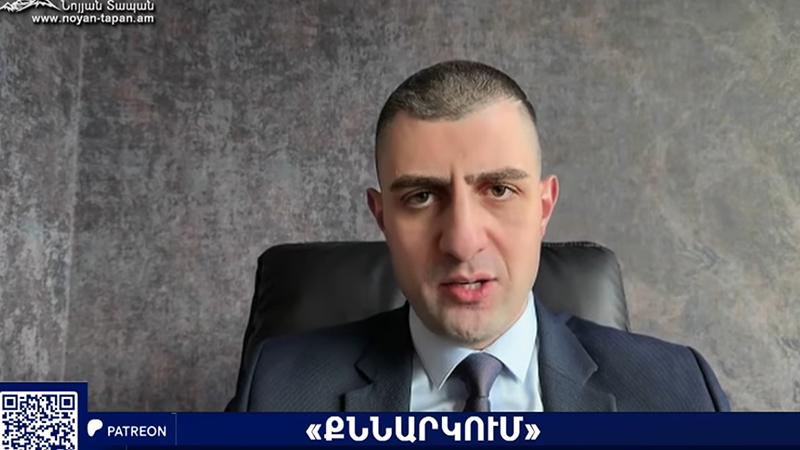
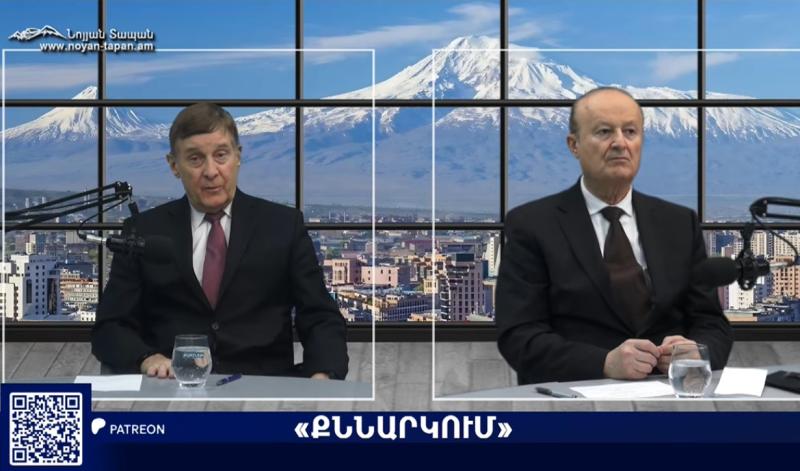
In a recent and revealing broadcast on the Noyan Tapan media platform, prominent political analyst Argishti Kiviryan provided an in-depth assessment of the shifting geopolitical landscape in the South Caucasus. The discussion, which centered on the intricate relationship between Azerbaijani leadership, the Nakhichevan exclave, and the broader regional influence of Iraqi Kurdistan, painted a picture of a region on the brink of significant transformation.
The interview opened with a focus on the recent diplomatic maneuvers of Azerbaijani President Ilham Aliyev, specifically regarding Nakhichevan. Kiviryan’s analysis suggests that the movements in this region are not isolated incidents but are part of a larger, more complex strategy involving diverse regional actors.
One of the most striking elements of the discussion was Kiviryan’s warning regarding the current stability of the region. Despite the absence of immediate large-scale conflict, he suggested that the underlying tensions are far from resolved. "We are still waiting for the problem; problems are still ahead of us," Kiviryan remarked during the broadcast. "They are just starting."
A central theme of Kiviryan’s analysis was the "wait-and-see" approach currently adopted by major global and regional powers. He emphasized that the South Caucasus has become a primary theatre where the interests of the East and West converge and collide. According to Kiviryan, three major powers—Iran, Russia, and China—are maintaining a vigilant watch over the actions of the United States in the region.
"Iran, Russia, and China will look at how America [acts]," Kiviryan noted, suggesting that the future of regional security depends heavily on the Biden administration's (or subsequent administrations') ability to balance influence without triggering a defensive reaction from the Eastern bloc.
The conversation also delved into the specific role of Iraqi Kurds and their connection to the Nakhichevan issue. Kiviryan posited that these overlapping interests create a "Knot" that is increasingly difficult to untangle. He argued that the involvement of various ethnic and national interests across borders makes any localized event a potential catalyst for a much larger regional realignment.
As the interview concluded, the overarching sentiment was one of cautious anticipation. Kiviryan’s insights on Noyan Tapan serve as a reminder that the South Caucasus remains a volatile piece of the global geopolitical puzzle. While the immediate focus may be on diplomatic visits and trade corridors, the silent maneuvering of the world's superpowers suggests that the true "story" of the region is still being written.
For observers of international relations, the message is clear: the current state of affairs is merely a prelude. As the interests of Tehran, Moscow, Beijing, and Washington continue to intersect in this narrow corridor of land, the foresight provided by analysts like Kiviryan will be essential for understanding the challenges that lie ahead.





 ENGLISH
  Հայերեն
 Русский
 Դաս. հայերեն
 French