The Diaspora’s Lens: Appo Jabarian on Sovereignty and the Rule of Law
23-03-2026 14:51:06 | Հայաստան | Հարցազրույցներ
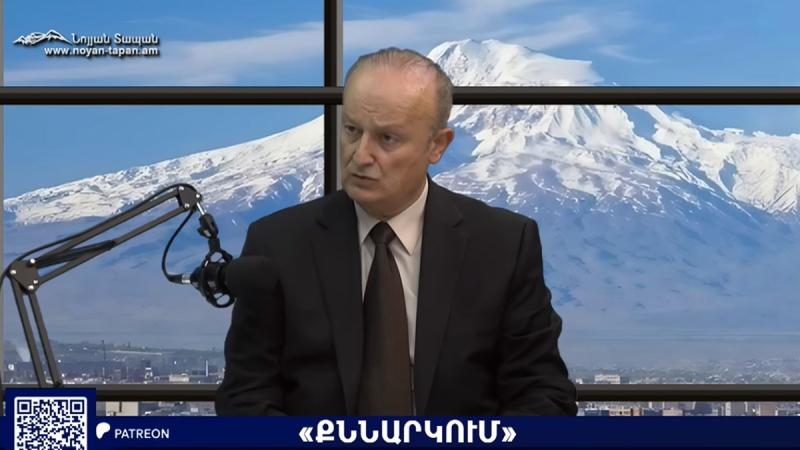
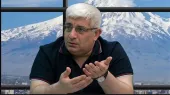
In a recent in-depth discussion on the Noyan Tapan television program, Appo Jabarian, the prominent publisher and editor-in-chief of USA Armenian Life and Armenian Life weeklies, offered a comprehensive analysis of Armenia’s current geopolitical standing amidst escalating regional tensions. The conversation, framed as a dialogue between two veteran journalists, delved into the complex intersection of military conflict, economic opportunity, and the strategic doctrine of the Armenian state.
A Strategy of Realpolitik
As military operations intensify near Armenia's borders, particularly involving regional neighbors like Iran, Jabarian emphasized the critical nature of Armenia’s diplomatic maneuvering. He argued that the current administration has successfully navigated these "difficult times" by adopting a "practical and positive" foreign policy characterized by a necessary "neutrality" or "unbiased" stance.
Jabarian specifically lauded Prime Minister Nikol Pashinyan’s flagship diplomatic initiative, the "Crossroads of Peace." He described the policy as a transformative vision that positions the Republic of Armenia as a vital hub for regional cooperation.
"The leadership of the Armenian statehood, in the person of Prime Minister Pashinyan, proclaimed a very farsighted policy when he proposed that the Republic of Armenia serve as a crossroads of peace and cooperation," Jabarian stated during the interview.
He further urged that this initiative should not merely be a temporary plan but should become a "permanent doctrine" of the Armenian statehood to ensure long-term stability and prosperity.
The TRIP Project and Economic Integration A significant portion of the discussion focused on the "TRIP" project (referencing a framework for regional communication and trade). Despite concerns that regional instability might delay its implementation, Jabarian viewed the project as a foundational success for Armenian statehood. He noted that the initiative provides a pathway for Armenia to finally break the economic blockade it has faced since the early years of independence.
Addressing domestic and Diaspora-based critics of the project, Jabarian dismissed the notion that such initiatives serve as a platform for foreign military bases. He argued that the "so-called opposition" and certain media outlets have engaged in "anti-state propaganda" that inadvertently serves the interests of regional rivals.
Regional Threats and Diaspora Unity The interview also touched upon the persistent threat of Pan-Turkic ambitions, which Jabarian warned could lead to the forced "islanding" or isolation of Armenia. He called on Armenian-Americans and "Armenophile Americans" to raise their voices against these expansionist ideologies and to support the strengthening of the Armenian state.
Jabarian highlighted a disconnect between the broader Diaspora and certain "pro-Russian" or "bureaucratic" circles within the United States, pointing to a 2025 protest where only a tiny fraction of the Armenian-American population participated as evidence that these fringe elements do not represent the majority.
Church and State Reform On the internal front, the discussion turned to the ongoing friction between the government and the Armenian Apostolic Church leadership. A long-time critic of the current Catholicos, Jabarian argued that the state has a responsibility to protect its citizens and its own integrity from what he described as "corrupt church leadership". He maintained that the church's reputation had been compromised long before current political tensions arose.
As Armenia continues to face existential challenges from both within and without, Jabarian’s insights on Noyan Tapan underscore a growing sentiment that the nation’s survival depends on a clear, state-centric doctrine and a commitment to the "Crossroads of Peace" as a guiding light for the future.


 ՀԱՅԵՐԵՆ

 Русский
 English
 Արեւմտահայերեն
 French