On the resumption of military operations between the US and Iran
12-07-2026 00:07 A comment
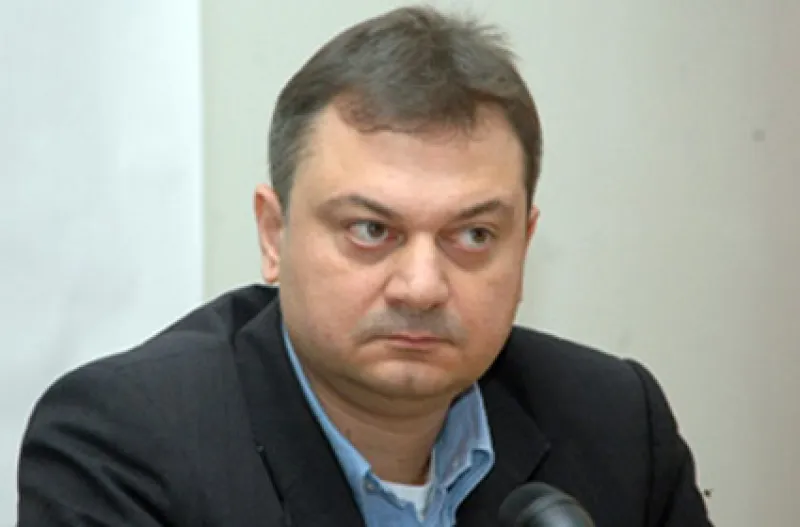
The resumption of military operations between the US and Iran was discussed by "Noyan Tapan" with political analyst Shahan Gantaharyan.
– Does the US President's statement that the ceasefire agreement with Iran has been canceled mean that the parties are returning to large-scale war?
– Not necessarily. Although Donald Trump has announced new powerful strikes against Iran, that does not mean that the war is returning to its previous large-scale phase. We have seen in the past that his statements and subsequent decisions do not always align. Therefore, it is more likely that mutual strikes and limited military operations will continue without a full resumption of war.
– What important signals did you see in the NATO summit declaration in Ankara?
– The declaration simultaneously addresses both the distribution of responsibility within the alliance and developments in the Middle East. It is also evident that the US is dissatisfied with the behavior of certain NATO members who did not join Washington's initiatives during military operations against Iran and did not provide their territories. However, the main goal of the US remains to share the financial burden of NATO more significantly with European allies.
– The declaration states that "an attack on one is an attack on all." What is the subtext of this formulation?
– I believe this is an indirect reference to the attacks carried out by Iran against American military bases. Although NATO as an alliance did not engage in the war, this formulation attempts to reaffirm the principle of collective security and political solidarity of the alliance.
– The declaration also pays special attention to the Strait of Hormuz. Why?
– Because the core of the real contradictions is precisely Hormuz. The topic of the nuclear program remains on the agenda, but Tehran consistently claims that its program has peaceful purposes. Meanwhile, many questions remain open around Hormuz—freedom of navigation, tariffs, the legal status of Iran's territorial waters, Oman's participation, the application of international law. In reality, this is about controlling global energy routes and the revenues derived from them.
– So, the issue is not just about security?
– Of course not. The issue is also economic and geopolitical. It is especially important who and under what conditions will control the flow of Iranian energy resources heading to China. This is where the interests of different power centers collide.
– Can we say that until this issue is resolved, tensions will remain?
– Yes. As long as there is no comprehensive agreement around Hormuz, it is difficult to expect stable peace. Harsh statements, mutual threats, limited military operations, and counteractions will continue. Only after a deal around Hormuz can we talk about the nuclear issue, the revision of sanctions, recovery programs, and the real launch of major economic projects.
* This text was automatically translated by Artificial Intelligence (AI).


 ENGLISH