ENGLISH


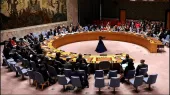
Russia and China vetoed a UN resolution on September 17 that authorized UN experts to continue monitoring the reinstated sanctions against Iran due to its nuclear program until 2025.
According to Armenpress, this was reported by The Associated Press. The UN Security Council sanctions are still in effect and, among other measures, they freeze Iran's foreign assets, halt arms transactions with Tehran, and impose penalties for the development of Iran's ballistic missile program.
Using one of the provisions of the nuclear agreement signed between Iran and major powers in 2025, France, Germany, and the United Kingdom activated the sanctions reinstatement mechanism known as "snapback," and reinstated sanctions against Tehran on September 27, 2025. As part of this, a group of UN experts was authorized to monitor the implementation of the sanctions. The United States had drafted a resolution to extend the mandate of the UN experts' group for one year. The proposal was rejected by a vote of 11-2 due to the vetoes from Russia and China, while Somalia and Pakistan abstained.
The Iranian mission to the UN thanked China and Russia for vetoing the resolution presented by the US, stating on social media that these countries "prevented another cynical attempt by the US and its allies to use the Security Council for their own political purposes." US Deputy Ambassador to the UN Jennifer Loset stated that the United States was not surprised by the vetoes, as the adoption of the resolution would have "shed light" on the prohibited cooperation between Iran and its partners. Russia's permanent representative to the UN, Vasily Nebenzya, reiterated Moscow's position that the application of the "snapback" mechanism against Iran was illegal and, therefore, the resolution to extend the mandate of the experts' group was "seriously flawed and had no legal basis."
Nebenzya stated that Russia and China had urged the US and its allies not to put the resolution to a vote, as it would only escalate tensions in the UN Security Council, but Washington "preferred the path of confrontation." France's permanent representative to the UN, Jérôme Bonnafont, who currently presides over the UN Security Council, noted that the application of sanctions is "a crucial tool to urge Iran" to return to fulfilling its nuclear obligations.
* This text was automatically translated by Artificial Intelligence (AI).